Full technical write-up on the 12V negative ground conversion for my 1952 Massey Harris 30 tractor, narrow front. Specs, measurements, the pulley math, and the wiring diagram at full resolution.
I should have did this swap a LONG TIME AGO. It starts so good now, and actually charges at idle. There is one part I would order differently, but oh well live and learn!
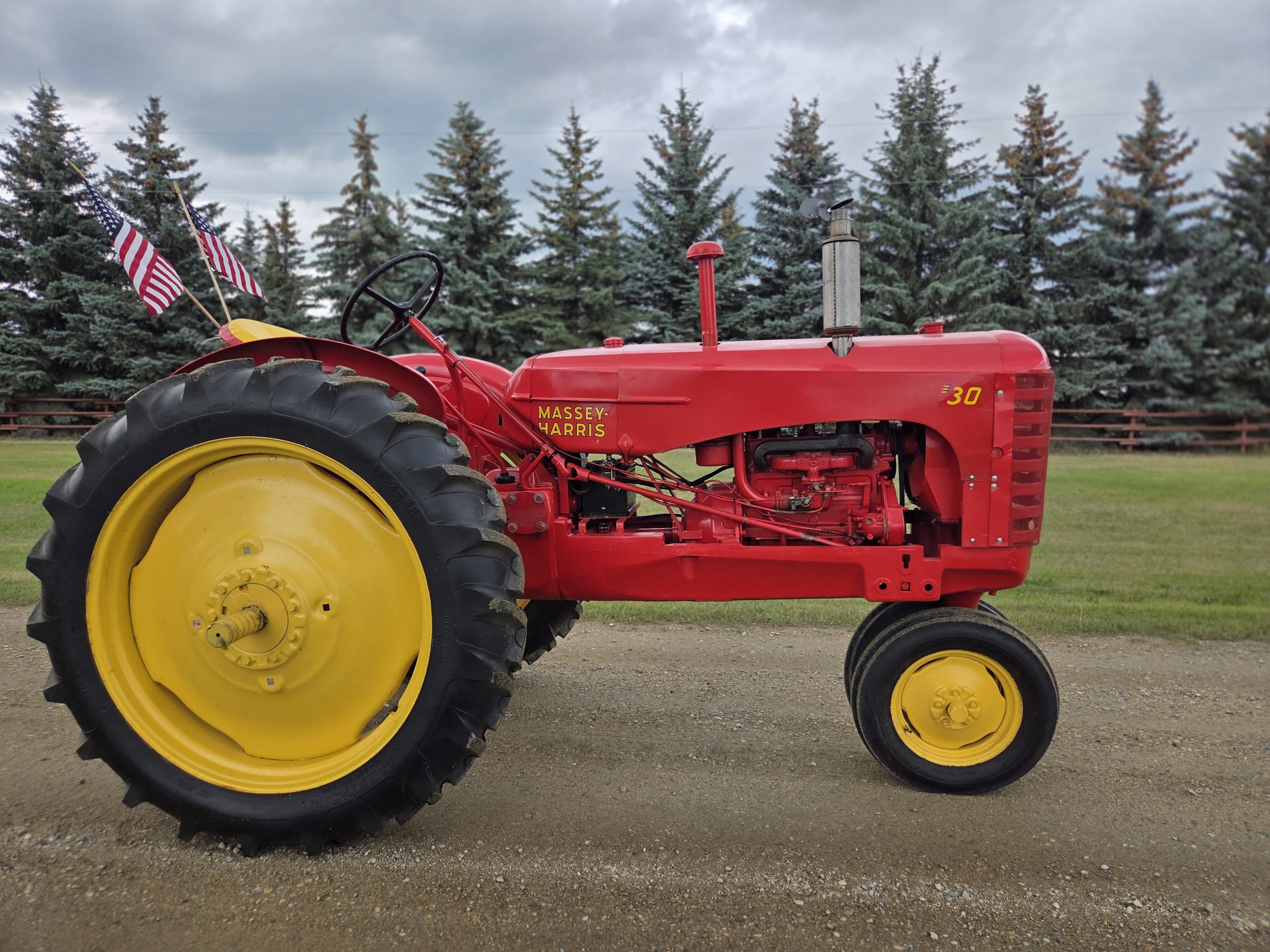
Here is a video of it starting on 12V. There really is no comparison from 6 to 12V!
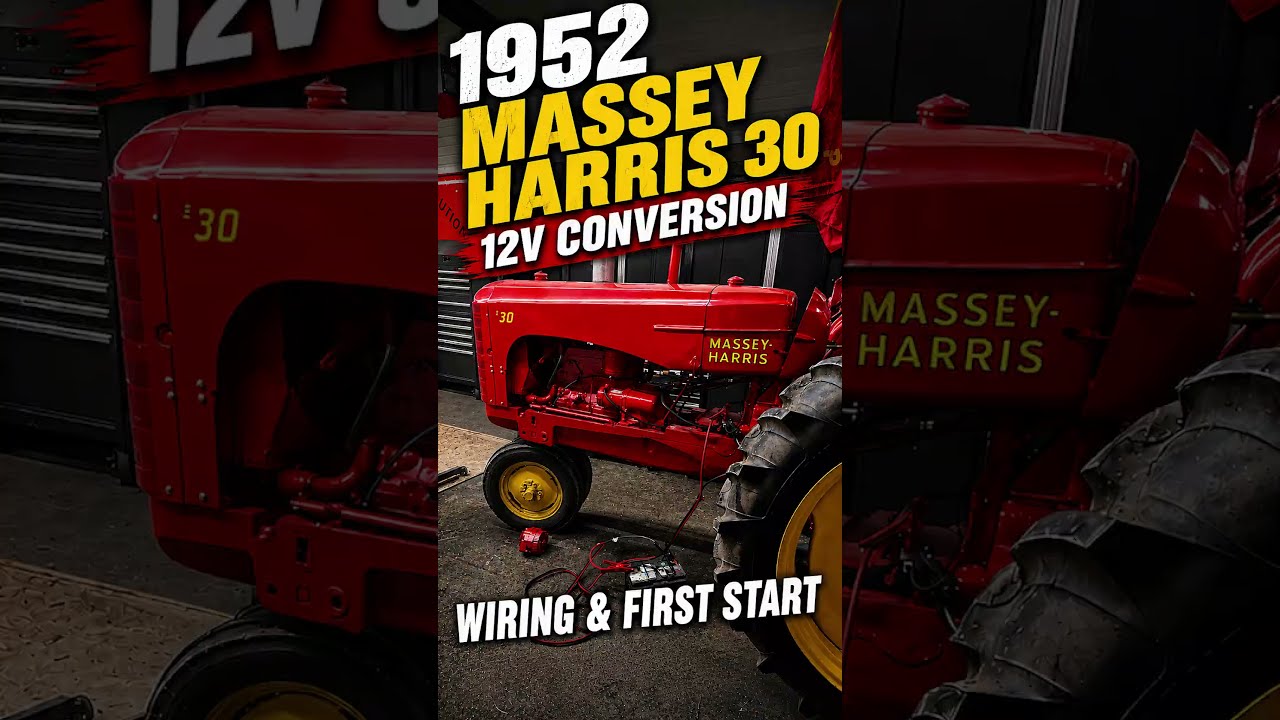
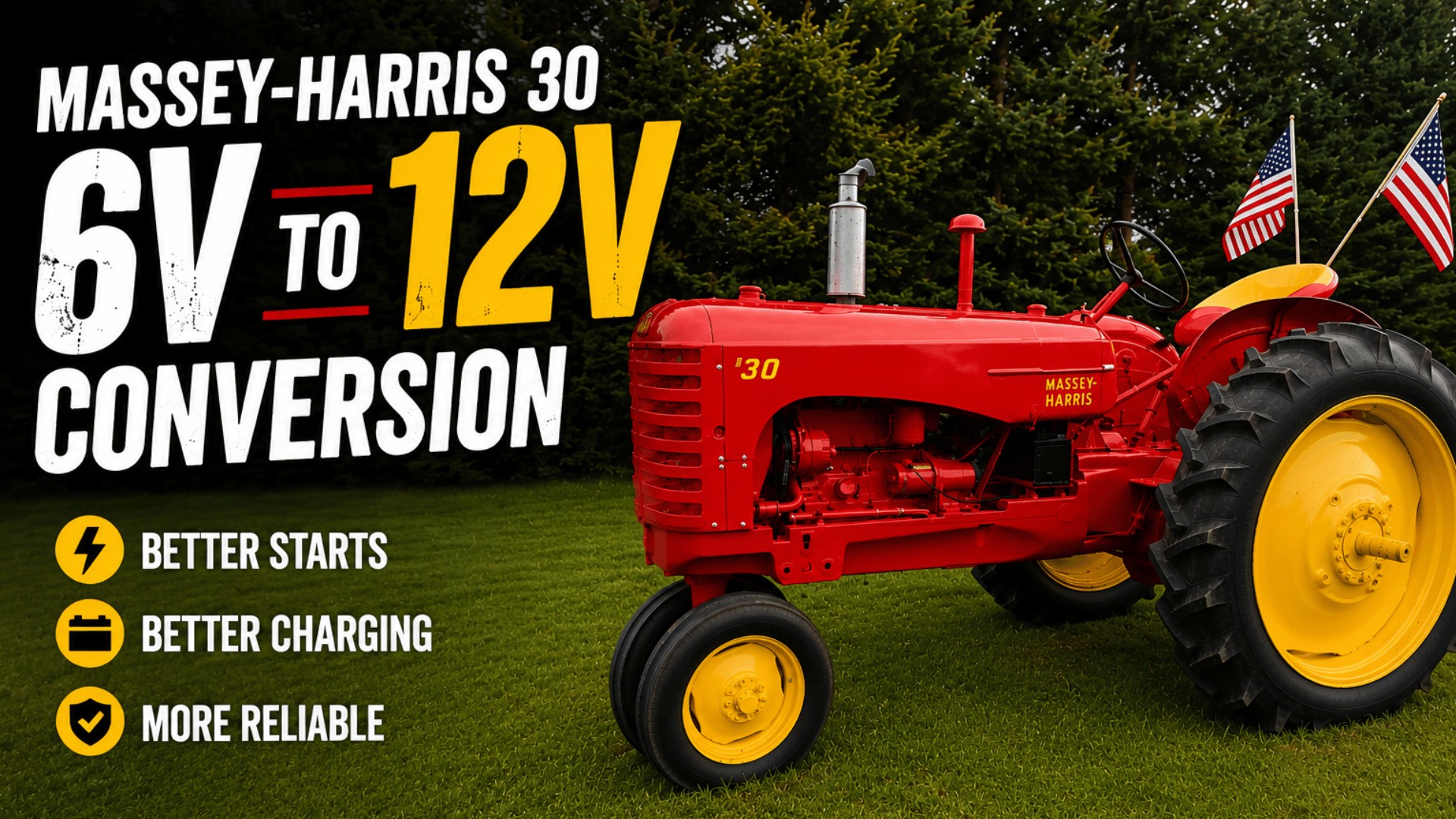
Complete Massey Harris 30 Conversion Video
Here is the complete long-form video covering the Massey Harris 30 conversion from the original 6-volt positive-ground electrical system to a 12-volt negative-ground system, including the alternator, wiring changes and final testing.
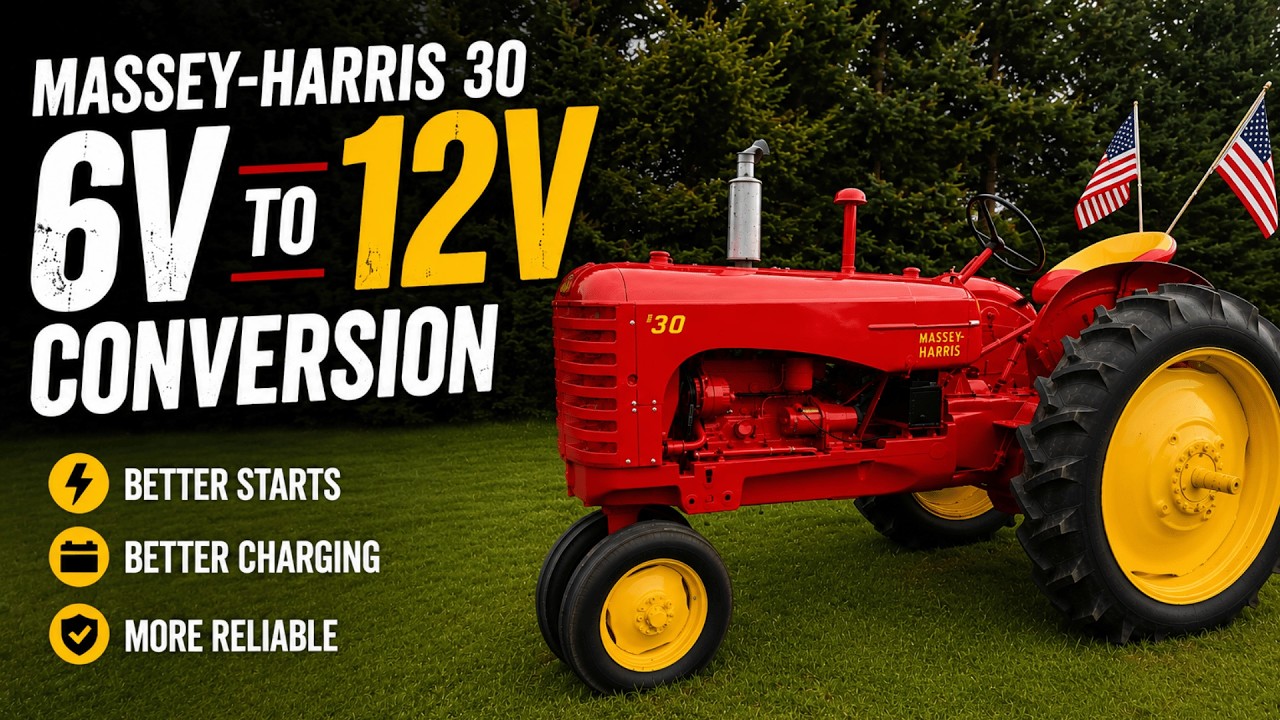
Why I did it
I often had issues starting it on 6V as a new battery would only last for a few cranks. Battery discharge was also a problem when left sitting. Last issue would be the fact a freshly charged 6V would not have a ton of power to actually turn it over. It seemed to have not enough power to really turn it over and it would have a hard time catching. Often I would just hand crank it.
The other half of it was charging. The original 6V generator would not charge until higher RPM, and this tractor idles around 500 RPM, so at idle it was not doing much.
Do the fuel side first
I chose to do this swap after everything had been run through this spring:
- Carb clean
- Fuel tank cleaned and lined using the POR15 Fuel Tank Kit
- Fuel filters
- Plugs
If you are on the fence about doing this swap, I highly recommend doing it as the last step after carb / fuel issues. Otherwise you will not know what you are chasing.
Parts used
| Item | Spec |
|---|---|
| Alternator | 1 wire 63A Delco 10SI, GM, off a squarebody Chevy |
| Alternator pulley | Reused the OE 6V generator pulley, ~2.5" |
| Pulley shaft | 17mm |
| Belt | B41 industrial V-belt (B-section) |
| Crank pulley | 6" |
| Bracket | New bracket made for the 10SI |
| Upper mount | Spaced forward, 3/8" x 1.5" grade 8 bolt, SS round tubing ~3/4" |
| Lower mount | 3/8" x 7" grade 8 bolt, SS round tubing ~5", extra thick 3/8" washers |
| Charge cable | #6 DLO, good for 65+ amps |
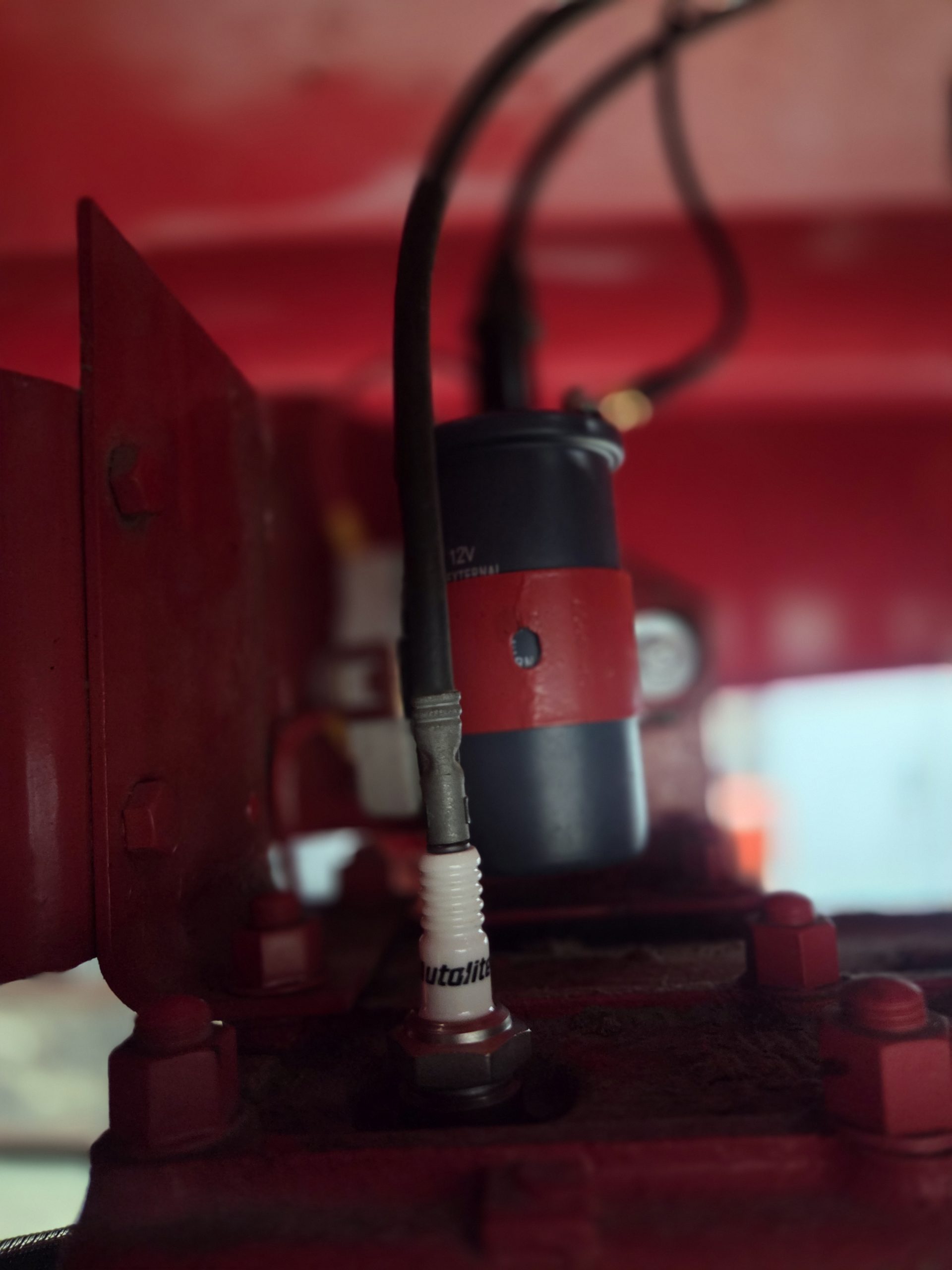
| Coil | Steiner ABC348 — 12V HOT, 55,000V, shown as internally resisted @ 1 ohm |
| External resistor | Steiner ABC366 — universal 12V, 2 terminal |
| Coil I should have bought | Steiner ABC6158 — internally resisted 3 ohm. Same price as the ABC348 |
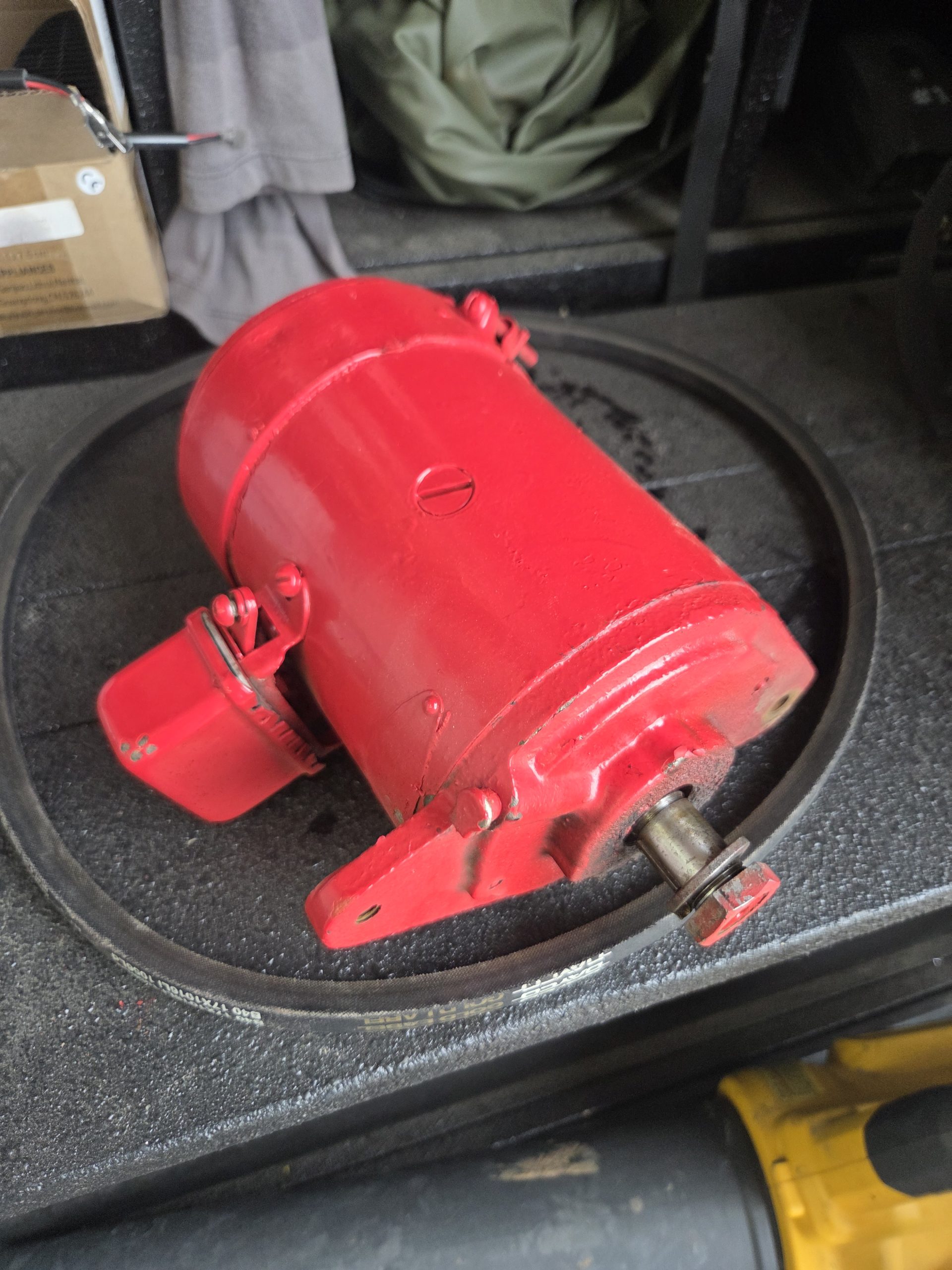
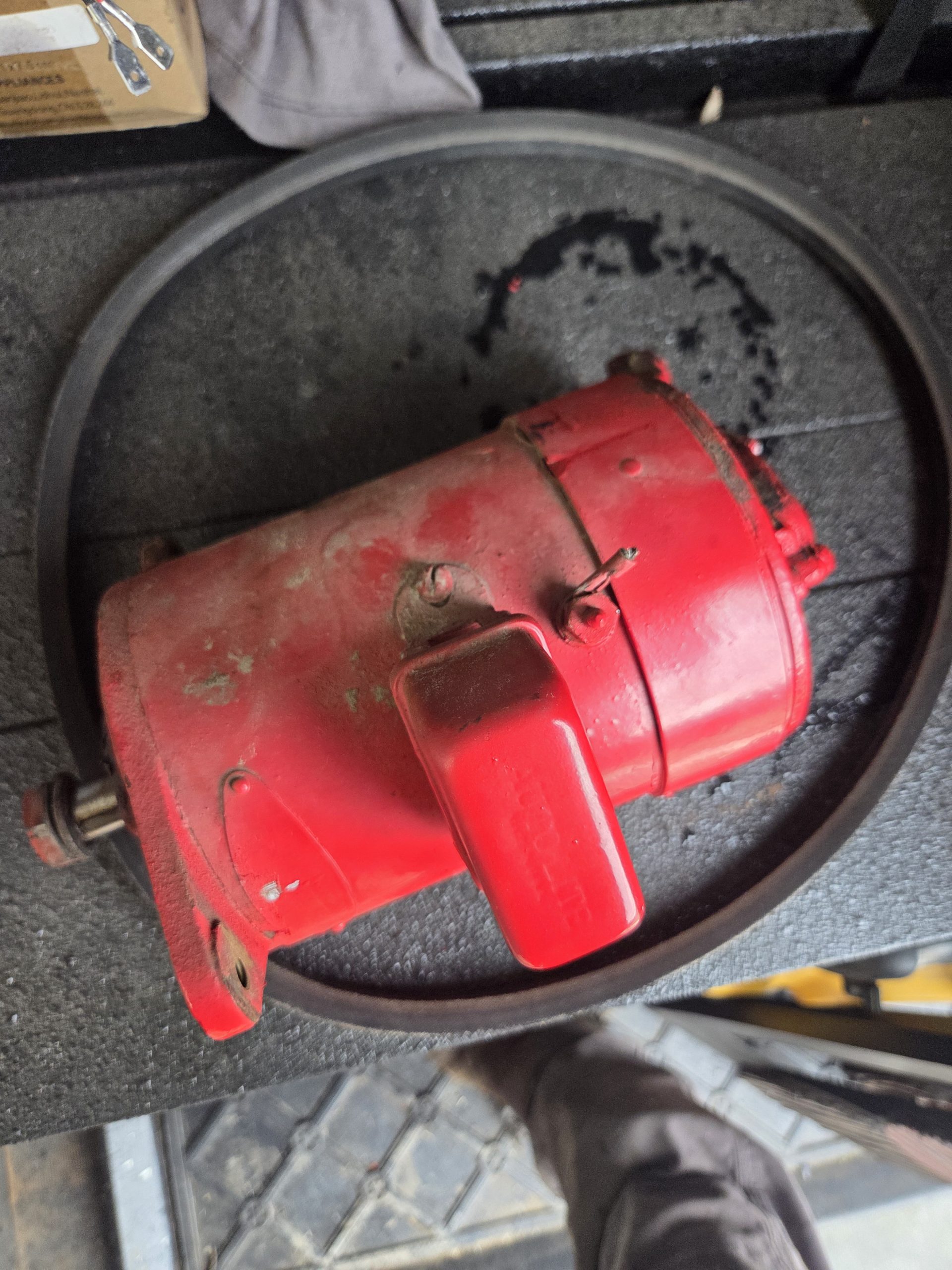
| OE 6V generator + regulator | Auto-Lite. Scrapped. Pulley kept, rest went in the garbage |
| Starter | OE 6V Auto-Lite, reused |
| Starter switch | OE heavy duty, still on it |
| Ground | Battery negative to transmission or engine block |
Links:
- ABC348: https://www.steinertractor.com/ABC348
- ABC366: https://www.steinertractor.com/ABC366
- ABC6158: https://www.steinertractor.com/ABC6158
The alternator
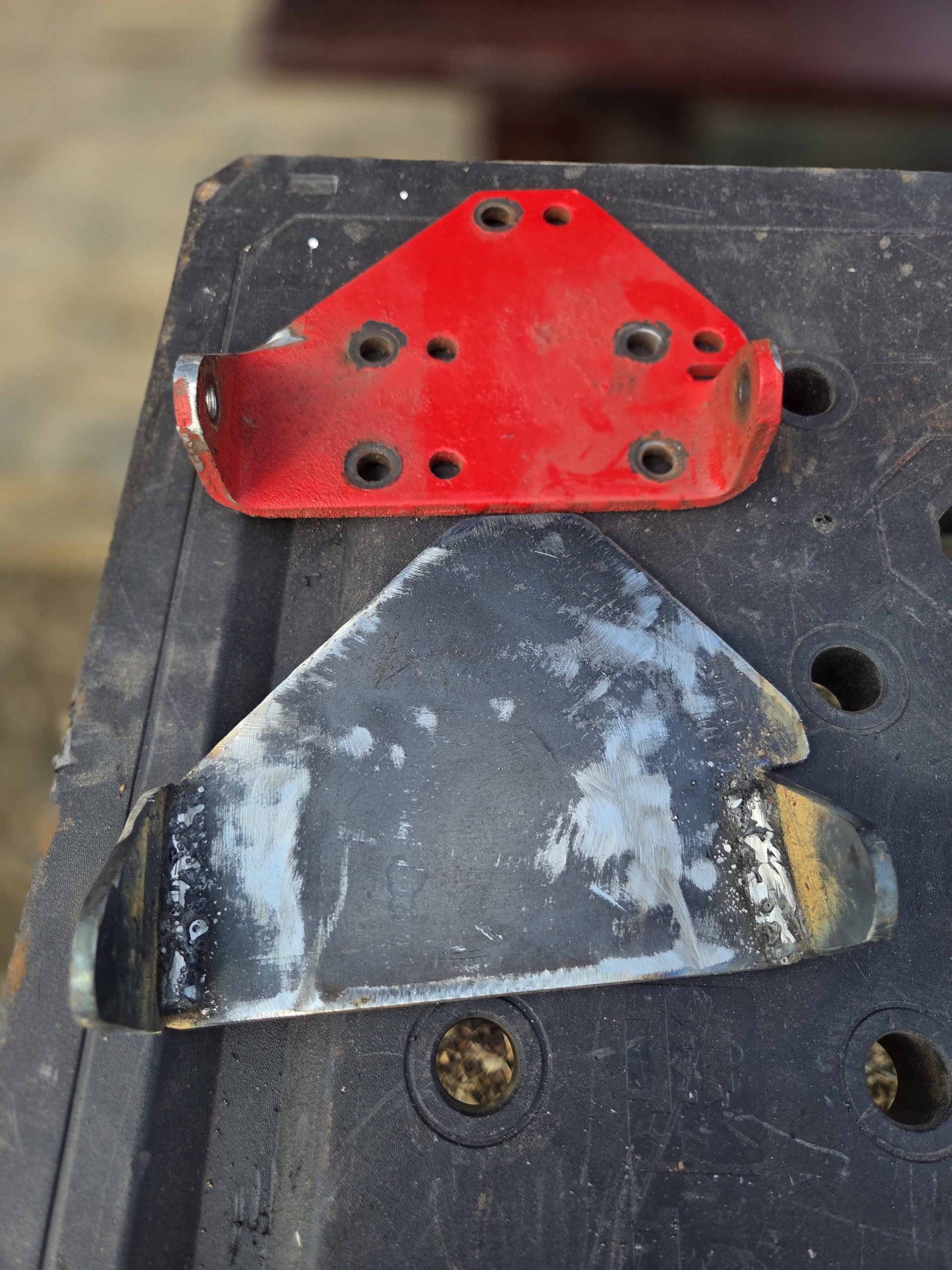
I used a 1 wire 63A 10SI GM alternator off a squarebody Chevy and made a new bracket. I chose to go 10SI to avoid having to externally excite the alternator.
If you choose to do this swap, you could get away with a smaller alternator if not running lights or any accessories. Steiner lists a mini 40A alternator which would have been fine for this application but I already had the 63A alternator available. This tractor has no lights and nothing else on it, so 63 amps is way more than it needs.
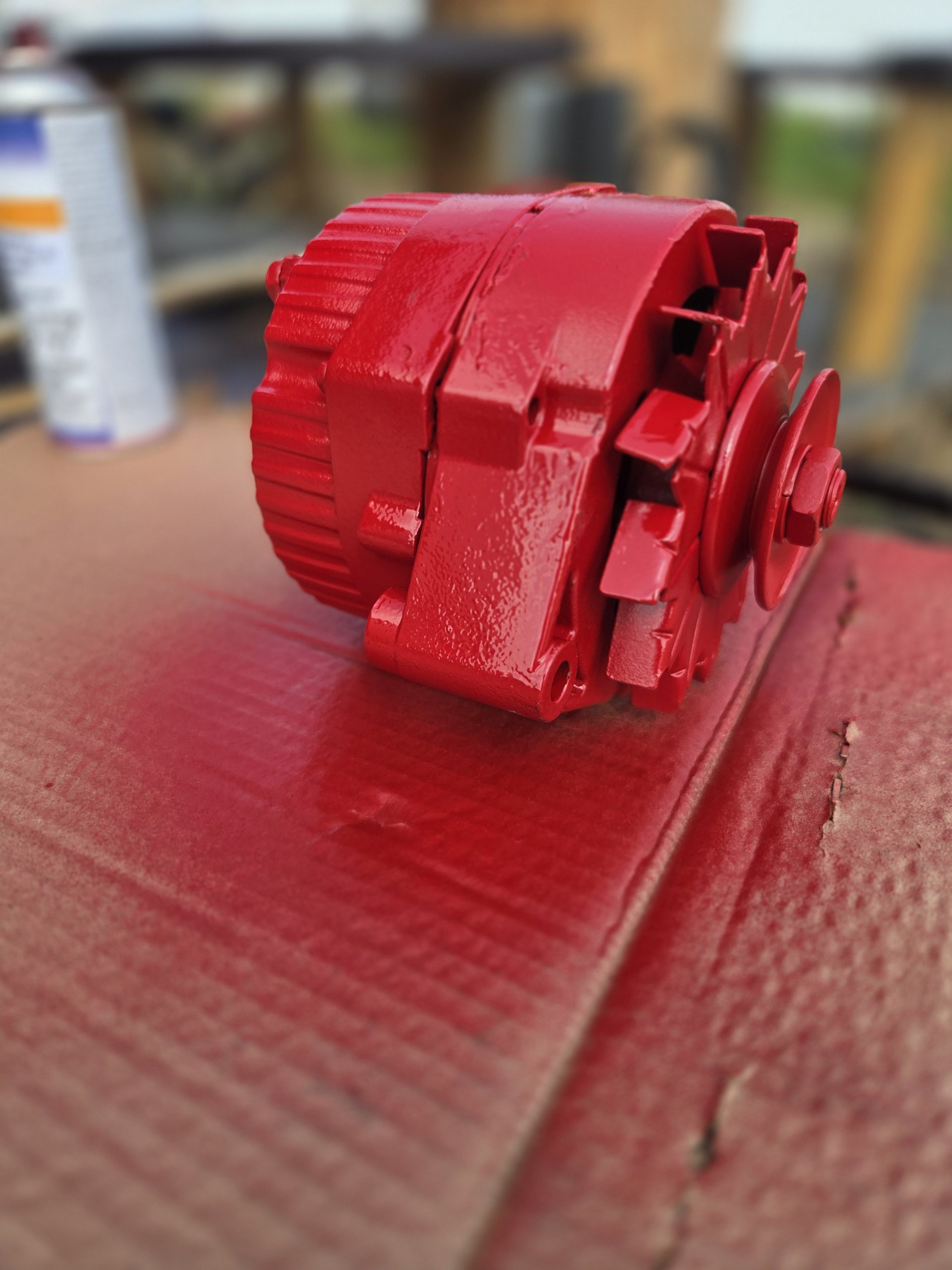
Mounting it
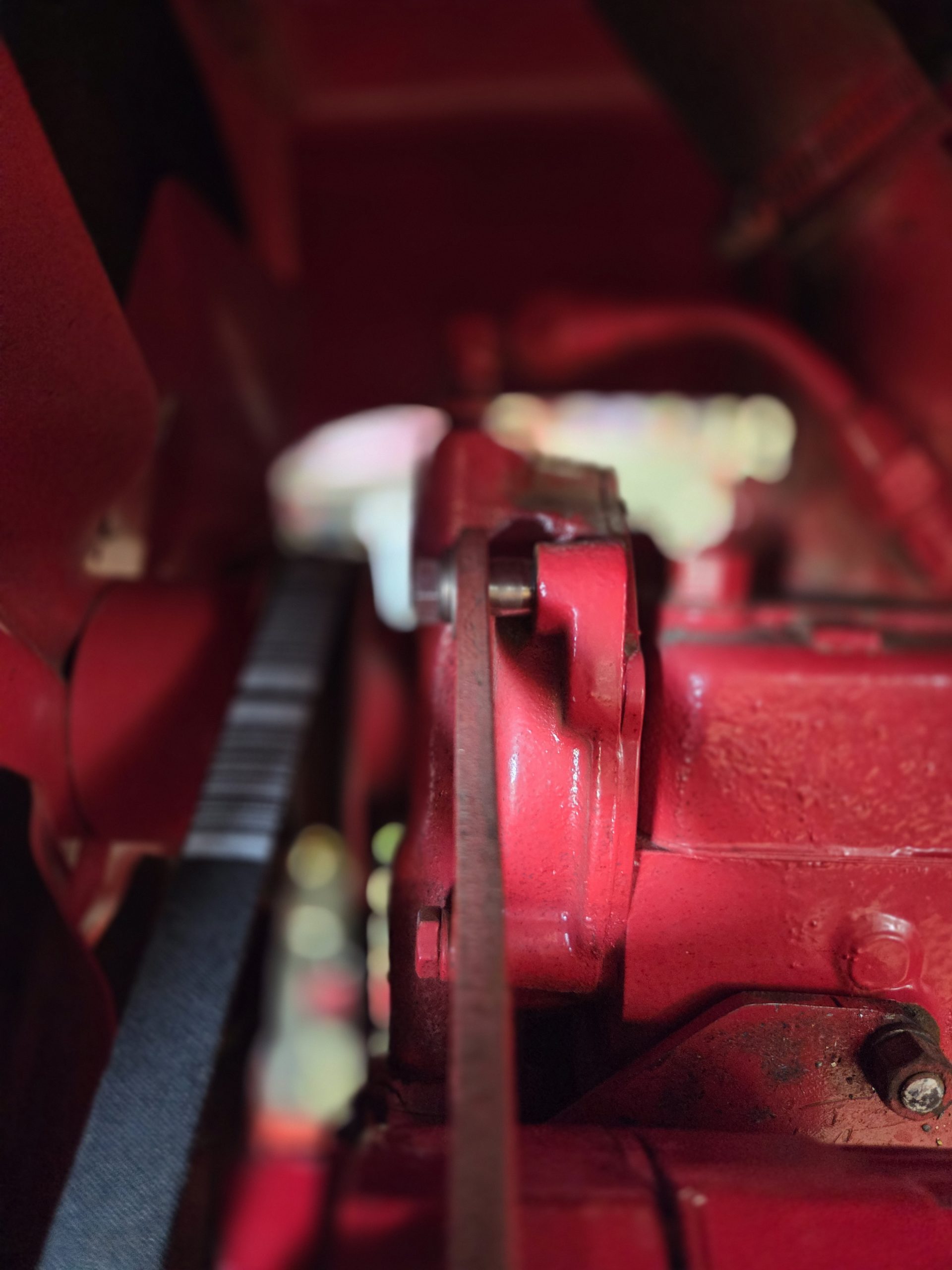
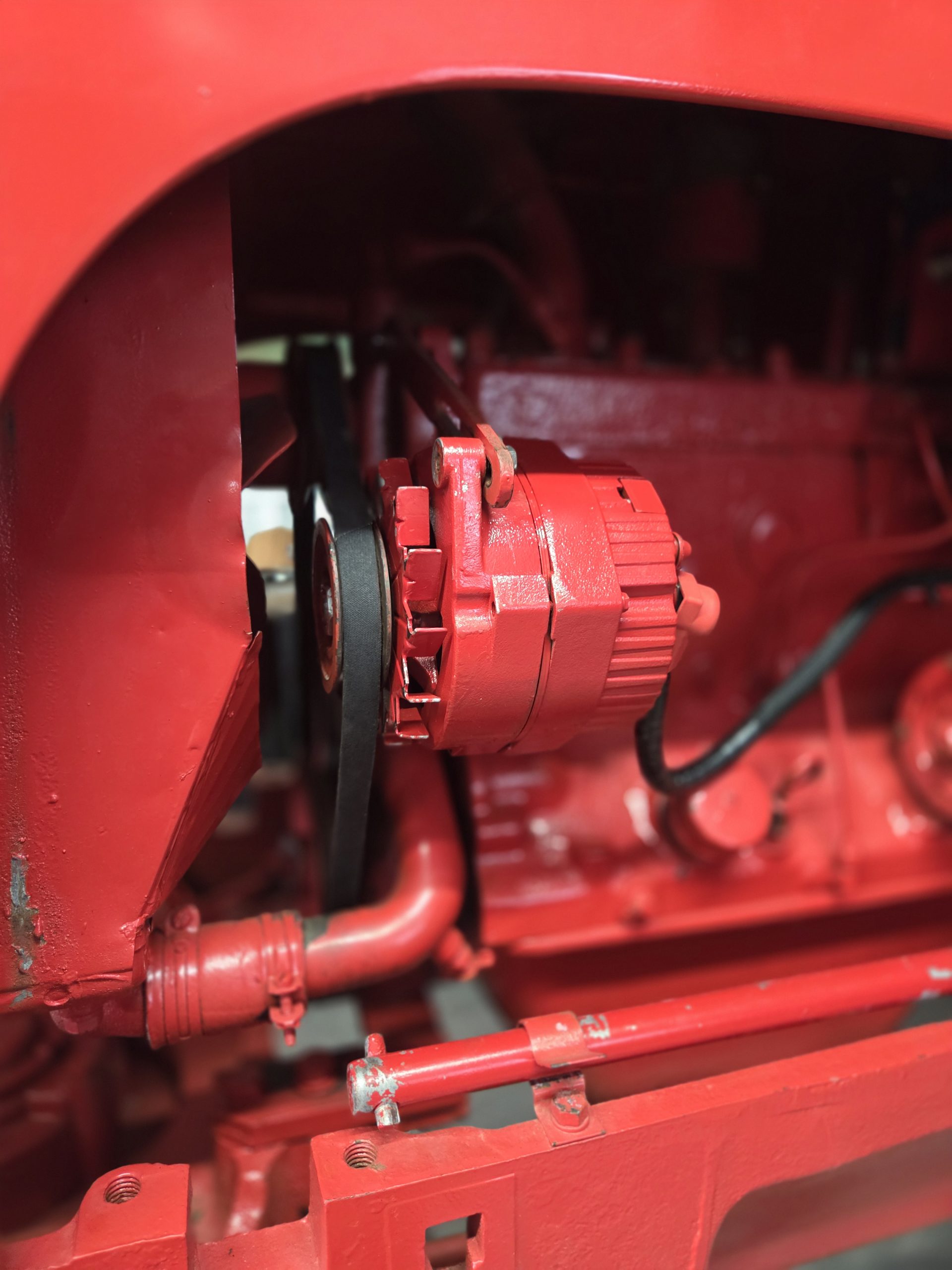
With this alternator, the bracketry had to move 3/4" forwards towards the crank pulley. Upper alt mount got spaced forward with some SS round tubing and a longer 3/8" x 1.5" grade 8 bolt as opposed to bending a new one. The bottom mount I used a 3/8" x 7" gr 8 bolt and SS round tubing plus extra thick 3/8" washers.
The best plan of attack with this system is to do the upper alt mount first, and straightline the alt down to measure the spacer length. I ended up with an upper spacer at 3/4" and a bottom spacer at 5".
One thing to plan for is the belt. The 10SI Alternator ended up sitting out farther than the OE Generator did, so the factory belt would not work. I ended up running a B41 industrial V-belt, which is 1 inch larger than the factory belt. When you go to replace it, ask for a B41 industrial V-belt.
The pulley problem
The pulley that comes with the 63A 10SI alternator is for a smaller belt and won’t fit the 1/2" belt. We put it on first, just to test the size of the pulley as it was a 2" pulley. It did charge off idle really well, but the bad news was that you’d be unable to use it for longterm as the 1/2" belt would not be sitting inside of it and could slip off at anytime.
I tried to search for a 17mm shafted 2" pulley for a 1/2" belt, but had no luck locally. After searching for a bit, we decided to try the original pulley off the 6V generator. It was the correct size shaft, however it was slightly larger at 2.5".
My concern with going larger was the pulley ratio and if it would charge at idle.
The old generator and its regulator, before it went in the bin:
Pulley ratio math
For reference, the 4 cyl Continental in this tractor is max RPM at 1800, and idles around 500. The crank pulley is a 6", the alt pulleys tested were 2 and 2.5".
6 ÷ 2.5 = 2.4:1
6 ÷ 2   = 3:1
| Engine speed | 2.5" pulley | 2" pulley |
|---|---|---|
| 500 RPM idle | 1,200 alt RPM | 1,500 alt RPM |
| 600 RPM idle | 1,440 alt RPM | 1,800 alt RPM |
| 1,800 RPM max | 4,320 alt RPM | 5,400 alt RPM |
The 2 inch pulley spins the alternator 25% faster than the 2.5 inch pulley at every engine speed, which improves low speed charging.
On initial startup at idle I saw the voltage slowly going up via my multimeter, so I can confirm this setup will charge at idle. Slowly albeit, versus the 2" pulley. Luckily for me it charges off idle which was my main concern, versus the original 6V generator not charging until higher RPM.
Your crank pulley and idle speed will not be the same as mine, so run your own numbers before you settle on a pulley.
Wiring
The alternator was wired up to the battery using a #6 DLO cable good for 65+ amps.
Gauges off the diagram legend:
| Circuit | Wire |
|---|---|
| Starter wiring | #2/0 AWG |
| Alternator wiring | #6 AWG minimum, based on alternator output |
| Control wiring | #14 AWG recommended |
Notes as they appear on the diagram:
- Original 6V starter used on 12V system. Crank in short intervals only.
- Use an external ballast resistor if required by the coil manufacturer. Coils with approximately 3 ohms primary resistance generally do not require an external resistor.
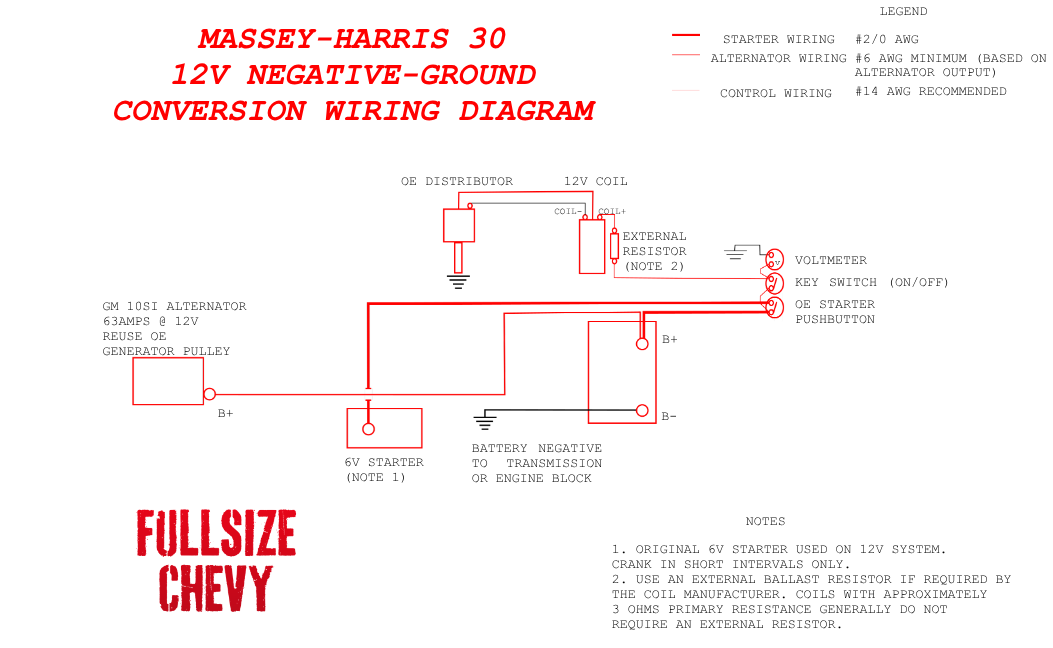
Click it for full resolution.
Fuses
Please note that the factory wiring produced on this tractor in 1952 did not come with fuses, hence why I did not show any inline fuses on the diagram. Depending on your use or application, you may want to consider adding fuses.
By today’s standard, the key switch wire from battery positive should be fused with 15A, and fusible links could be used on both alternator and battery wire to starter. The main problem with the old tractors is there is really no good place to put any fusible links on while retaining a factory like look.
I chose to omit fuses on my tractor as it is mostly used as a showpiece and is not out working for hours at a time.
Starter
Original starter runs fine on 12V but I would recommend avoiding any excessive cranking. While it is an old Auto-Lite and built pretty heavy duty, I’d hate to burn it up.
The original heavy duty starter switch is still on, I have a spare if it chooses to burn up.
Coil and resistor
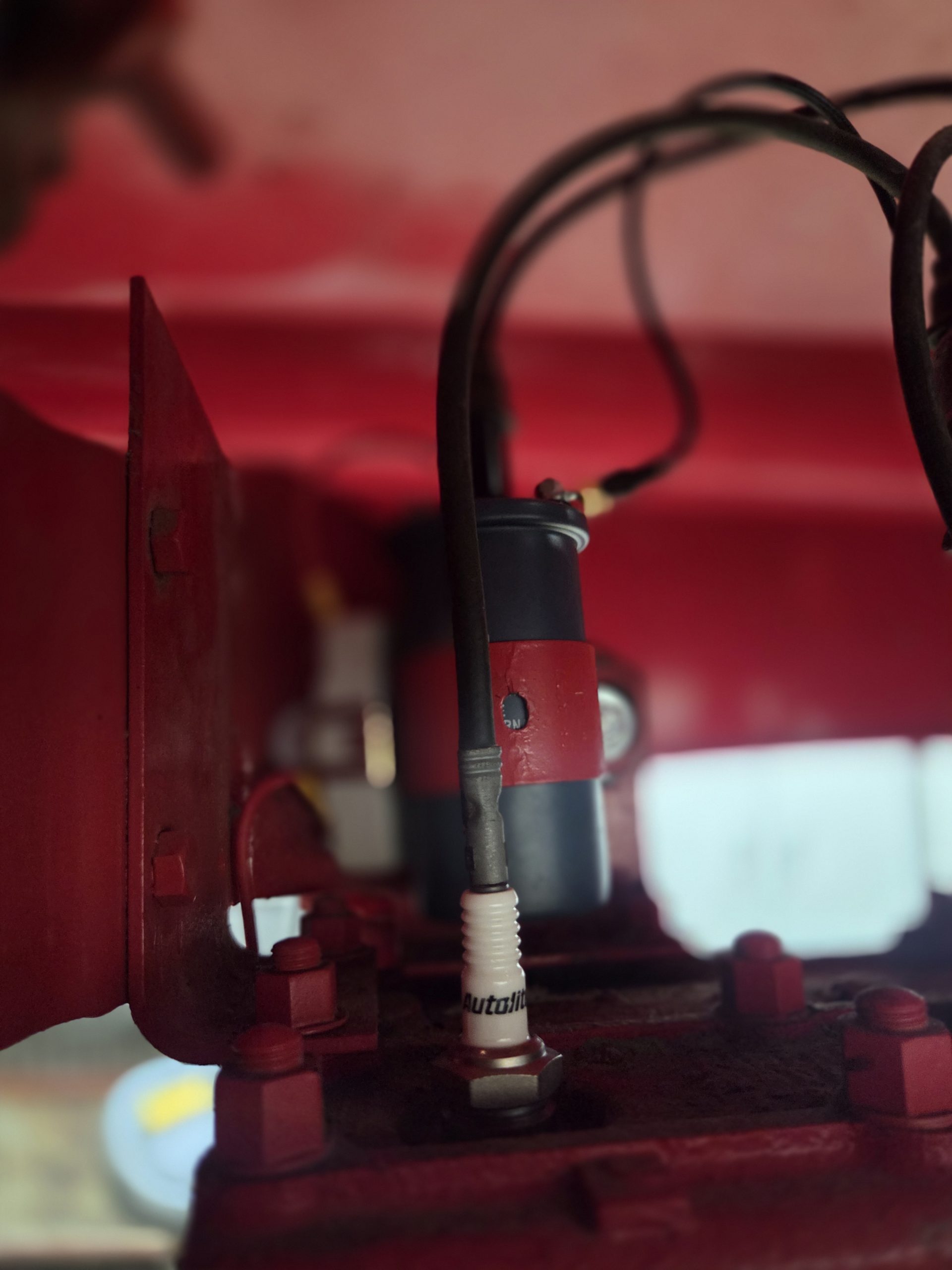
I used the Steiner 55,000 volt HOT coil, part ABC348, which was shown as internally resisted at 1 ohm. At that resistance it must be used with an external resistor. The resistor I used is the Steiner ABC366. The resistor I was able to bolt up directly to the coil’s bracketry using #10-32 hardware. The resistor is basically bolted through with the bolt that tightens the bracket to the coil. Pretty easy if you ask me.
If I could do it again, I should have ordered the internally resisted 3 ohm coil, part ABC6158, which would have avoided using the external resistor. Both coils are the same price too, so it would not have cost me any more and I would have saved buying the resistor.
Oh well, live and learn!
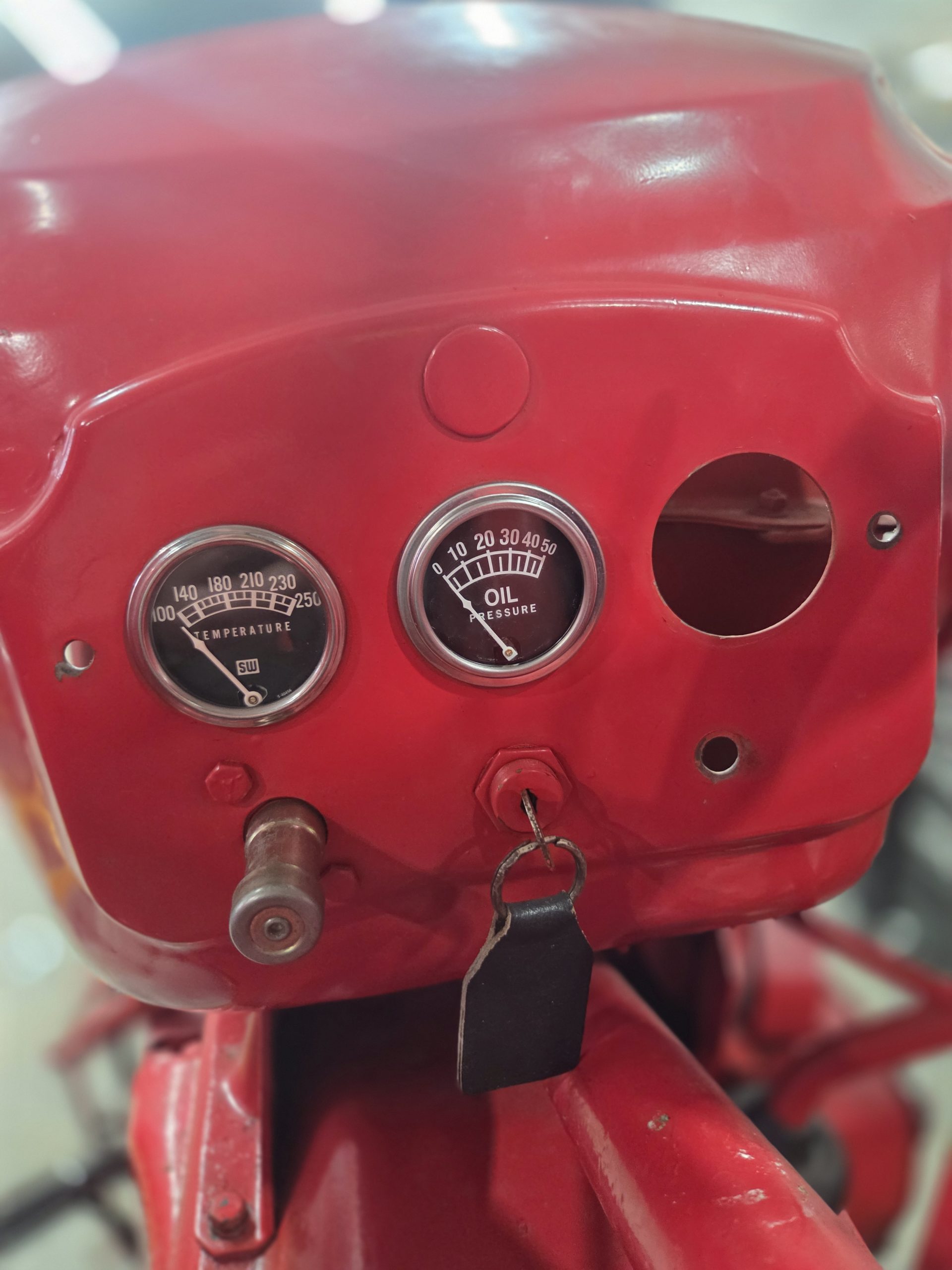
Still on the list
I’m still searching for a “period correct” voltmeter for the tractor but for now she’s good to go!
If anyone has a source, or knows what was originally fitted to an MH30 of this year, post it below.
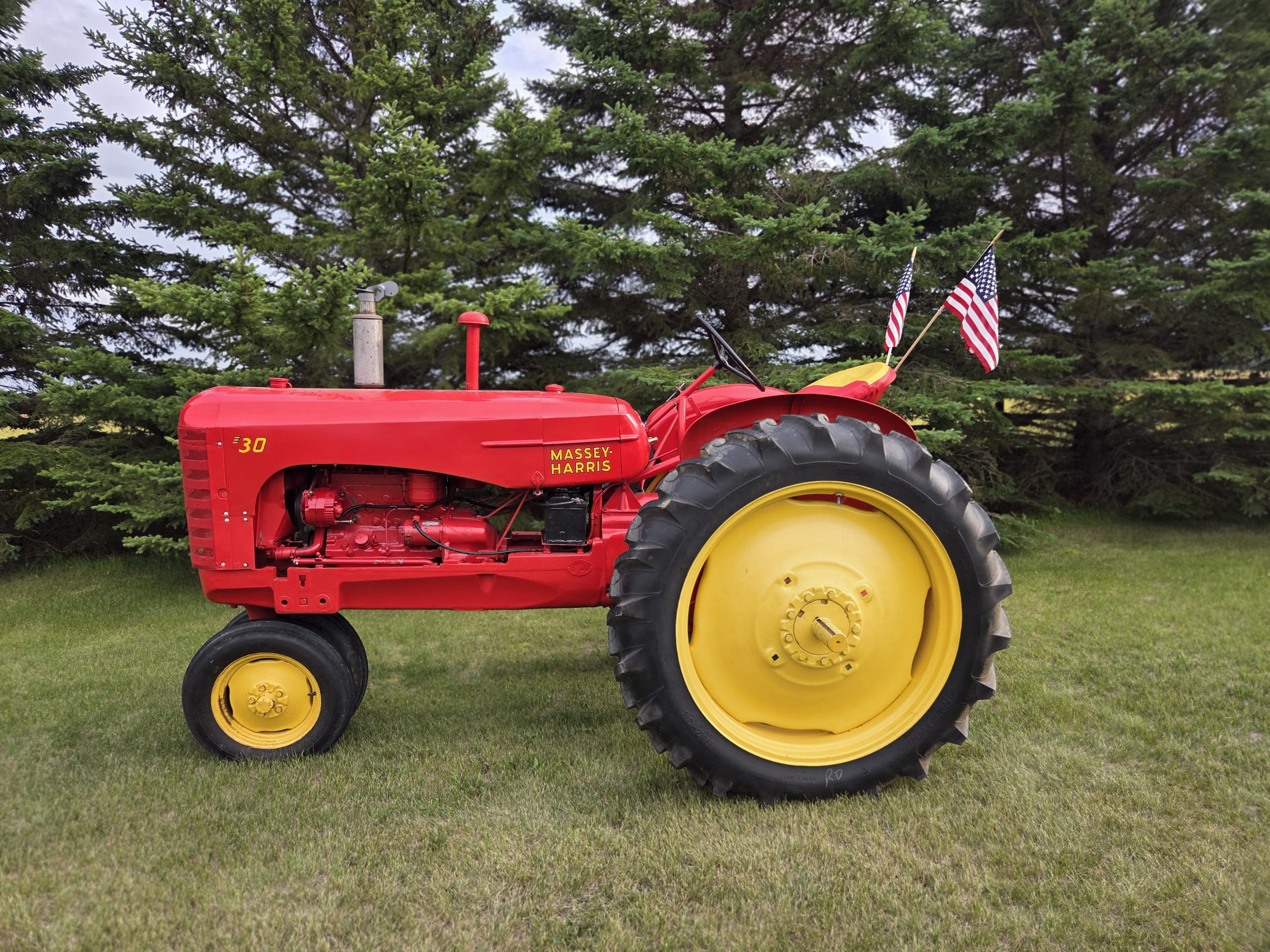
Next project on the tractor is a pull behind PTO finish mower.
Post yours
If you have converted a Massey Harris, 30 or otherwise, post what you ran. Specifically after:
- Alternator model and whether it charges at your idle speed
- Your crank pulley and alternator pulley diameters
- Whether you kept the OE starter and how it has held up
- Coil and resistor combination you landed on
- Period correct voltmeter sources for a Massey Harris of this era
If you would rather read the shorter version of this project, I wrote it up on the main site: Massey Harris 30 12 Volt Conversion: Wiring & Results
Other old iron thread, if that is your thing: 1976 Cub Cadet 1450 Revival